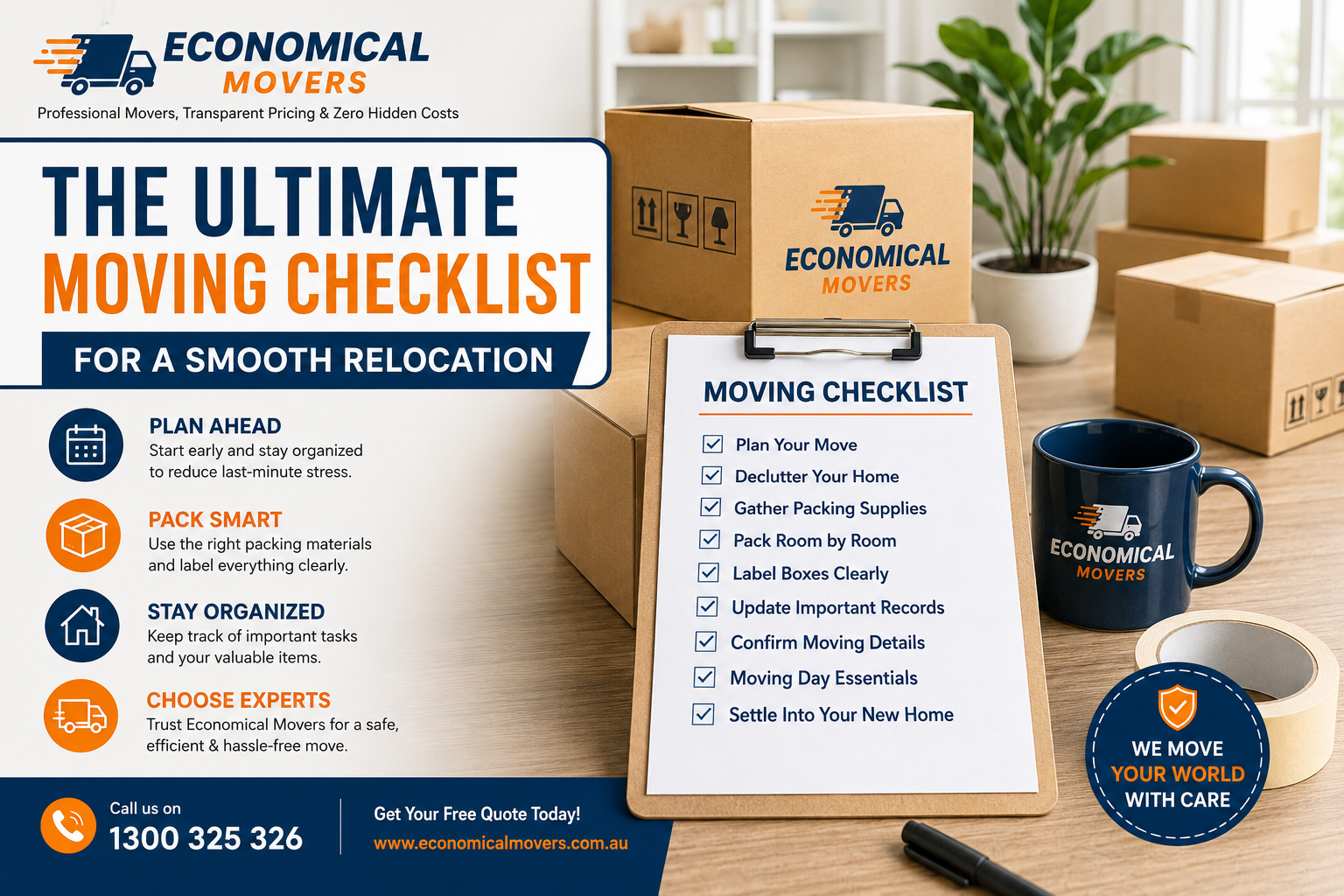
Relocating to another house will be one of the most rewarding endeavors you will ever undertake, but it can also feel like an enormous task, especially if you haven’t created a plan for your move. Moving involves many small but significant details that require attention—i.e., packing up boxes or changing your address or getting your utilities set up. Keeping an organized checklist as you prepare for a big move can help make sure that you stay on top of your tasks and reduce stress while saving time. Preparing a well-planned checklist will allow you to take care of things along the way in an orderly fashion—regardless of whether it is local or long-distance moving.
Preparing Early
Among the many pitfalls of a move, the most common mistake made is failing to prepare early enough. Ideally, you should start preparing six to eight weeks prior to the moving day. If you give yourself enough time to organize all of your items, you will be able to analyse the types of moving companies that are available to you, find out the amount of time that it takes to complete the necessary paperwork related to the move, and perform the tasks required for a successful move in a timely manner.To simplify the task of staying organized during a move, it is recommended that you create a moving folder or a digital checklist of all the tasks that you need to complete, the receipts for your expenses, and the important documents you might need (such as your contract). You will be able to keep track of everything better if all of your information is in one location.
Decluttering Before You Pack
A major benefit of moving is that you have the opportunity to get rid of any things you no longer need. As you pack up your belongings from each room, separate them into four groups: things to keep, things to donate, things to sell and things to dispose of.There are many advantages of decluttering.Plan Strategically to Pack:When packing each room separately, it makes it easier to manage and keep organized throughout the entire process. It is best to start with items that you use less frequently (seasonal items, books or things from a guest room) and keep everyday items for last day(s) before your move.Using smaller boxes for heavier items (such as books) and larger boxes for lighter items (like bedding or pillows) will provide better balance while transporting the contents. Make sure to wrap fragile items carefully and mark those boxes “Fragile” so that extra care will be taken when handling these items.You should also create an Essentials Box that contains items you will need as soon as you get to your new home. This box should contain:
- Toiletries
- Phone chargers
- Snacks
- Medications,
- Important documents,
- Basic kitchen needs,
- A change of clothing.
This box will help you get settled into your new home quickly on your first night instead of having to look through several boxes to find something.
Hire a Reputable Mover:
Finding a reputable moving company can greatly enhance your relocation experience. You should look into more than one move company, read reviews on those companies from other customers, and ask for an estimate from a minimum of three moving companies before making a decision.You should ask the following questions before making your decision:
- Are they licensed?
- Are they insured?
- Do they have packing services?
- What is included in the estimate?
- Are there any additional charges?
It is a good idea to book your movers as soon as possible, especially around peak moving seasons when movers begin to book up quickly.
Notify Utility and Service Transfers for New Homes An easy move requires that you have the utilities ready to use in your new home upon completing your move-in day. To ensure utility services are in order for your new home, you will want to contact the utilities providers to set up an account, transfer service, etc.:
Electric
Water
Gas
Internet
Cable
Additionally, when contacting these providers, you will want to make arrangements to disconnect your utilities services at your old address so that you do not incur any unnecessary charges.
Preparation for Moving Day
If you are utilizing the services of a moving company, you will need to confirm that all of the details – dates and times for moving, the address of the new home, etc. You should also confirm the name and phone number of the mover.
To keep moving day organized, you should:
Have all of your important paperwork organized and on your person
Have your phone completely charged
Wear comfortable clothing
Bring snacks and water for the day
If you have pets of children you may want to consider arranging to have you children or pets taken care of during your move in to help limit distractions and provide a safe environment.
Inspect Your New Home
Before unloading your belongings, you should inspect your new home. Be sure that all of the utilities are operational and that no items need immediate attention.
Take multiple pictures of the home, especially if you are renting the home to document the condition of the property before you begin to set up your household.
Unpacking Quickly
Immediately upon arrive at your new home, you should unpack and set -up the essential rooms first (i.e. kitchen, bathroom, bedrooms, etc.). Getting these rooms set-up first allows transportation to rest of the house much easier.
FAQs
It’s best to begin planning your move at least six to eight weeks before your moving date. This gives you enough time to organize, declutter, hire movers, and complete important tasks without unnecessary stress.
Your essentials box should include daily necessities such as toiletries, medications, chargers, snacks, important documents, a few changes of clothes, and basic kitchen items. These essentials help you stay comfortable during the first 24–48 hours after moving.